
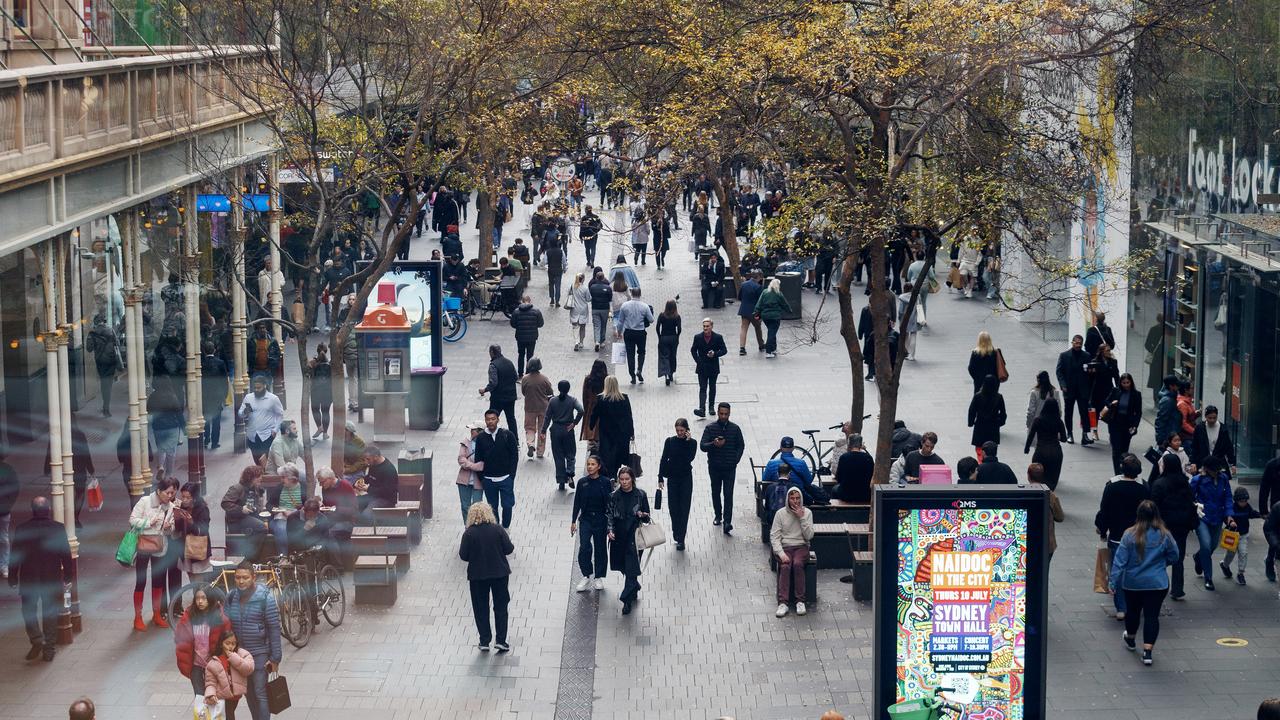
US President Donald Trump’s threat to send Iran “back to the Stone Ages” has rattled equity markets.
If he follows through, Australia is at risk of entering a recession.
In a prolonged war scenario, modelled by Oxford Economics Australia, the nation’s gross domestic product would contract 0.3 per cent in the June quarter and fall a further 0.8 per cent in the three months to September.
That would be Australia’s sharpest economic slowdown, excluding COVID-19, since the early 1990s.
Oxford Economics’ baseline forecast is for the war to last two months, meaning the Strait of Hormuz would reopen to ships carrying oil, gas, fertiliser and other crucial commodities at the end of April.
“However, opportunities for de-escalation are narrowing, risking a more prolonged conflict,” Oxford Economics Australia economist Harry McAuley said in a report published on Thursday, shortly after Mr Trump’s hawkish televised primetime speech.
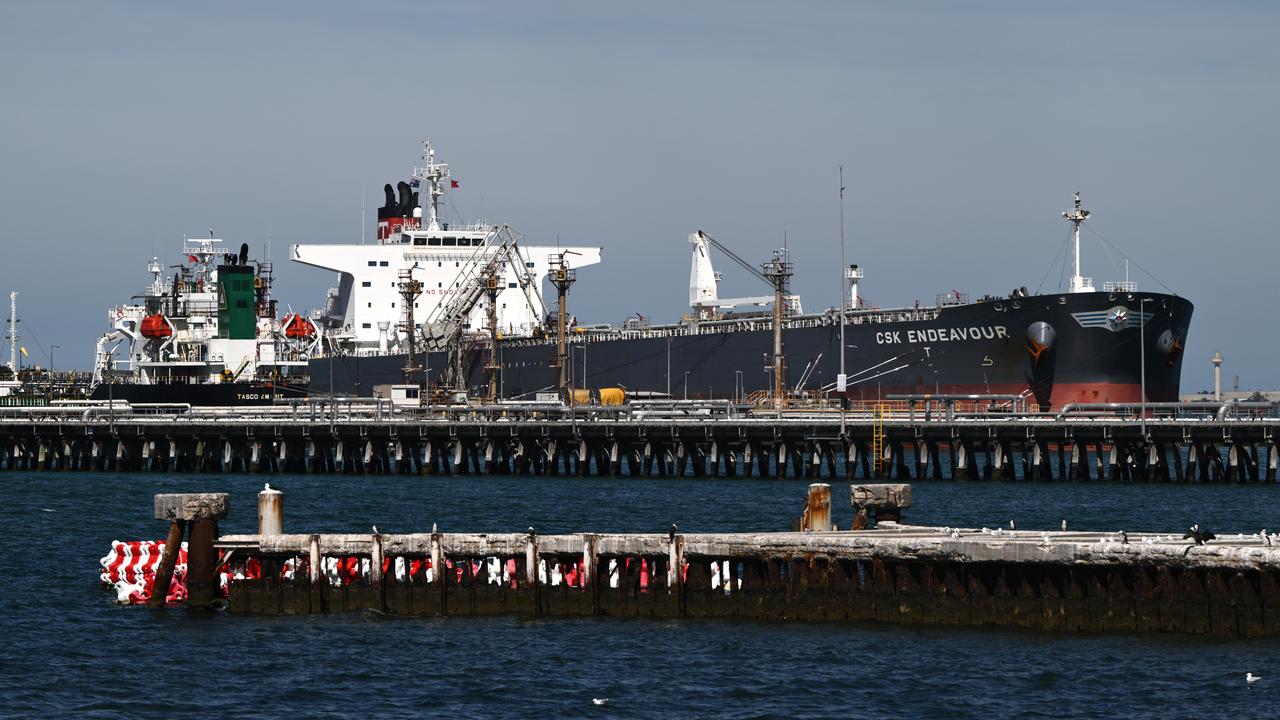
In the prolonged war scenario, oil prices would stay above $US150 a barrel for four months alongside shortages of energy products, pushing global inflation near 7.7 per cent.
The benchmark crude oil price has yet to exceed $US120 a barrel during the conflict, but following Mr Trump’s speech spiked five per cent to $US105 a barrel.
The ASX200 lurched 1.06 per cent lower.
Traders saw little in Mr Trump’s speech that would suggest the Strait of Hormuz would open any time soon.
Although Australia is a net energy exporter, it is highly exposed to the global oil shock as it imports about 85 per cent of its petrol, diesel and jet fuel supplies from overseas, Commonwealth Bank senior economist Ryan Felsman said.
Australia is more dependent on diesel than most major economies, in part due to its vast geography requiring a greater share of trucking, and a large share of mining and agriculture in the economy.
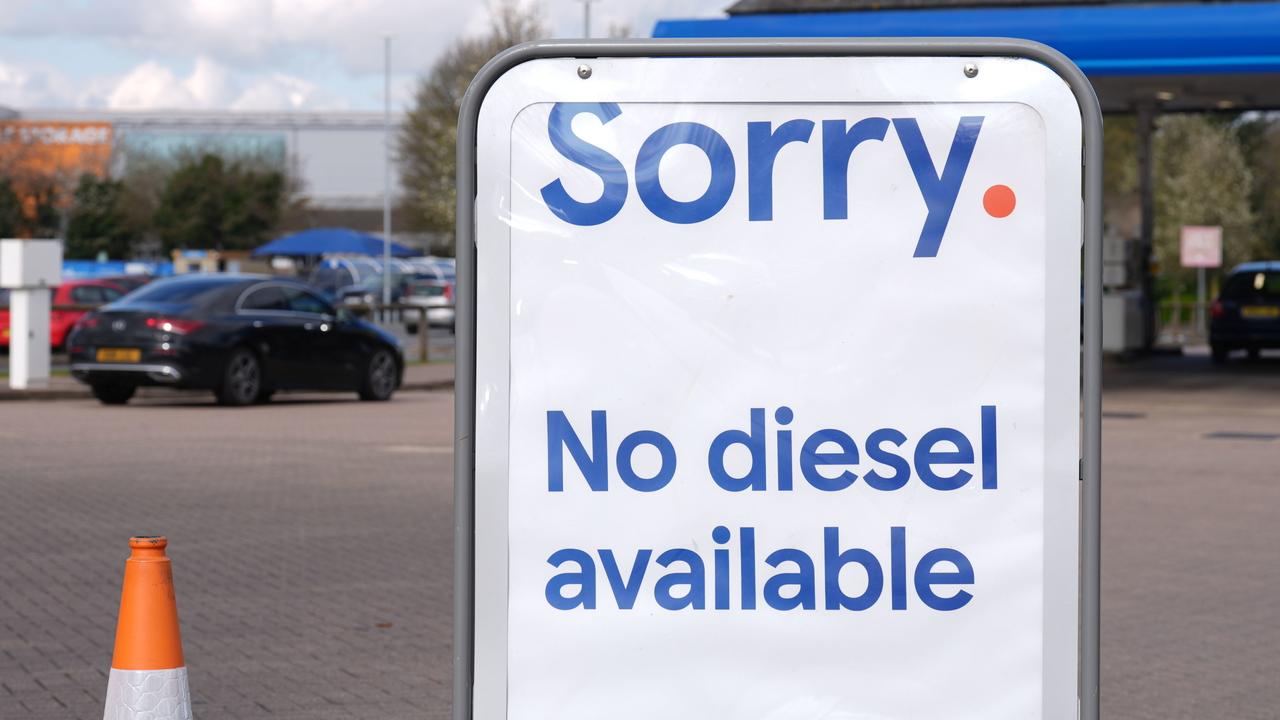
“Energy-intensive agriculture, transport, construction and mining sectors could incur a material hit from persistent fuel shortages and rising input costs,” Mr Felsman said.
As well as the hit from higher input costs, Australian industries will be impacted by weaker economic activity.
CBA continues to expect the Reserve Bank to hike the cash rate again in May to get on top of inflation expectations.
NAB economist Michael Hayes also predicts a 25-basis point lift in May, largely driven by the backdrop of high domestic inflation pressures and a still tight labour market.
Job vacancies rose 2.7 per cent over the three months to February to 338,000 – the highest level in 12 months – the Australian Bureau of Statistics reported on Thursday.