
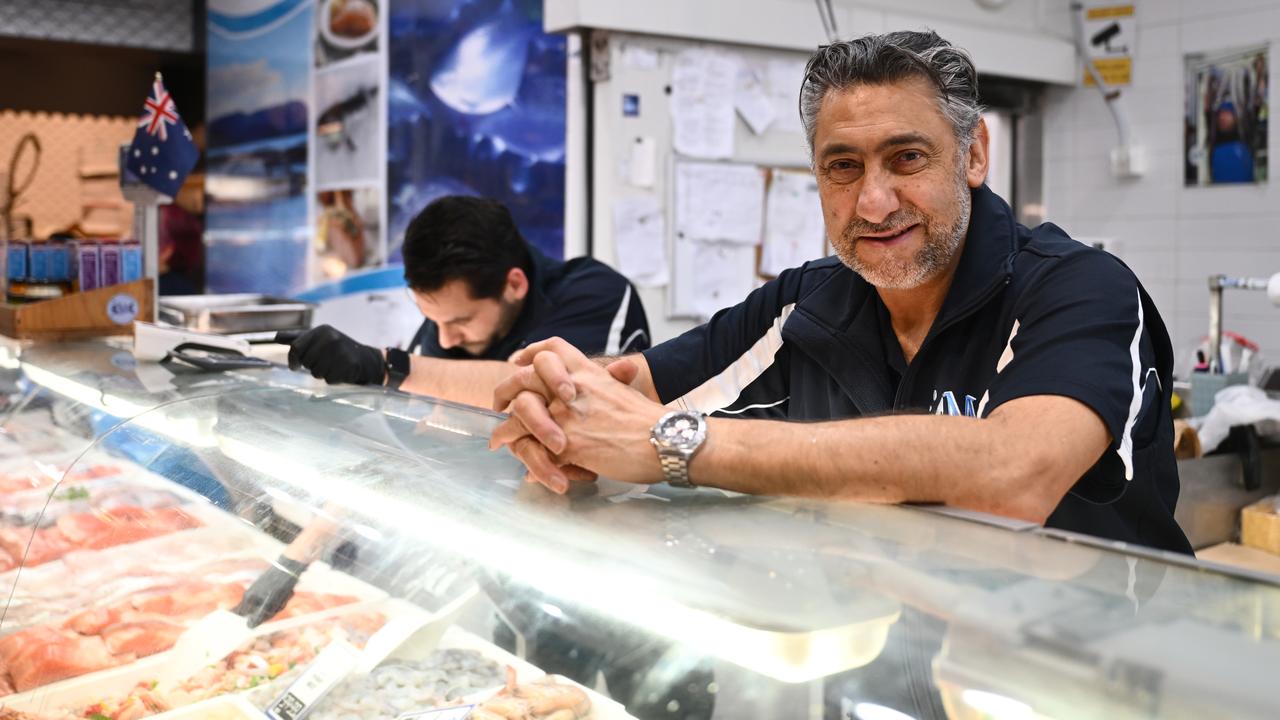
Fishmongers are beginning to feel the nip from the fuel crisis, but they say customers planning their Good Friday feasts should not expect a wave of price rises – yet.
At the South Melbourne Markets, the last line of defence for rising fish prices, a spike in diesel costs for fishing trawlers are starting to flow through to fishmongers as the seafood rush begins for Easter.
Fish prices and transport costs had risen between 10 to 15 per cent since the fuel crisis began for South Melbourne Seafoods, director John Kyzintas said.
But customers should not expect to see a price hike when they go buy their fish, with the business wearing the increased costs.
“Fish is always a little bit more expensive at Easter time – supply and demand. The fuel costs so far haven’t really hit us yet,” Mr Kyzintas told AAP.
The squeeze point might arrive during winter when capture hauls fall to a quarter but the inclement weather means boats have to use twice as much fuel, he said.
But for Will Olver, the manager of Gem Pier Seafood, rising fuel costs have already started to bite.
Hailing from from a commercial fishing family, he said fuel expenses had jumped by as much as 50 per cent, leading to wholesale prices of some popular fish species to double.
“We can’t pass that price on to the customer. They just won’t pay it,” Mr Olver said.
“But the volumes have increased, the workload has increased, and the wages have increased.”
The fishmonger said his business had had to pivot to buying different species that were the same quality but cheaper.
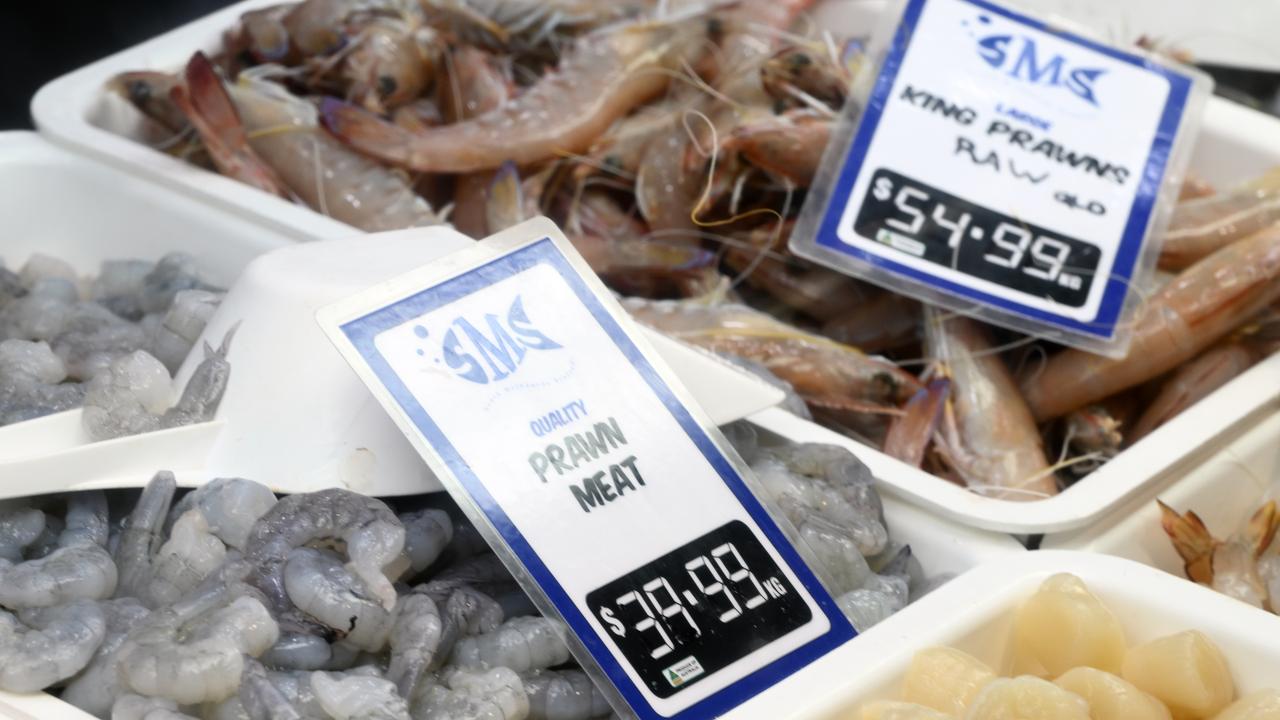
“We’re making less money, sometimes no money,” he said.
The business, like many others, is holding off on purchasing in the wholesale market for as long as they can, hoping wholesalers will get nervous and bring prices down before Good Friday.
“Customers in a crisis like this go into conservative mode. They’re trying to hold on to as much wealth as they can themselves,” Mr Olver said.
He has noticed customers pivoting away from more high end products to lower value products by as much as 30 per cent.
It comes as Australia’s largest wild-caught prawn operation, A Raptis & Sons Group, announced its closure after six decades due to an oversupply of prawns in 2022/23, lower catch volumes and growing costs.
The new Sydney Fish Market is anticipating a healthy 60,000 visitors to walk through on Good Friday for their seafood hit.
Fuel prices skyrocketed after a US-led war on Iran disrupted shipping through one of the world’s biggest oil corridors.