
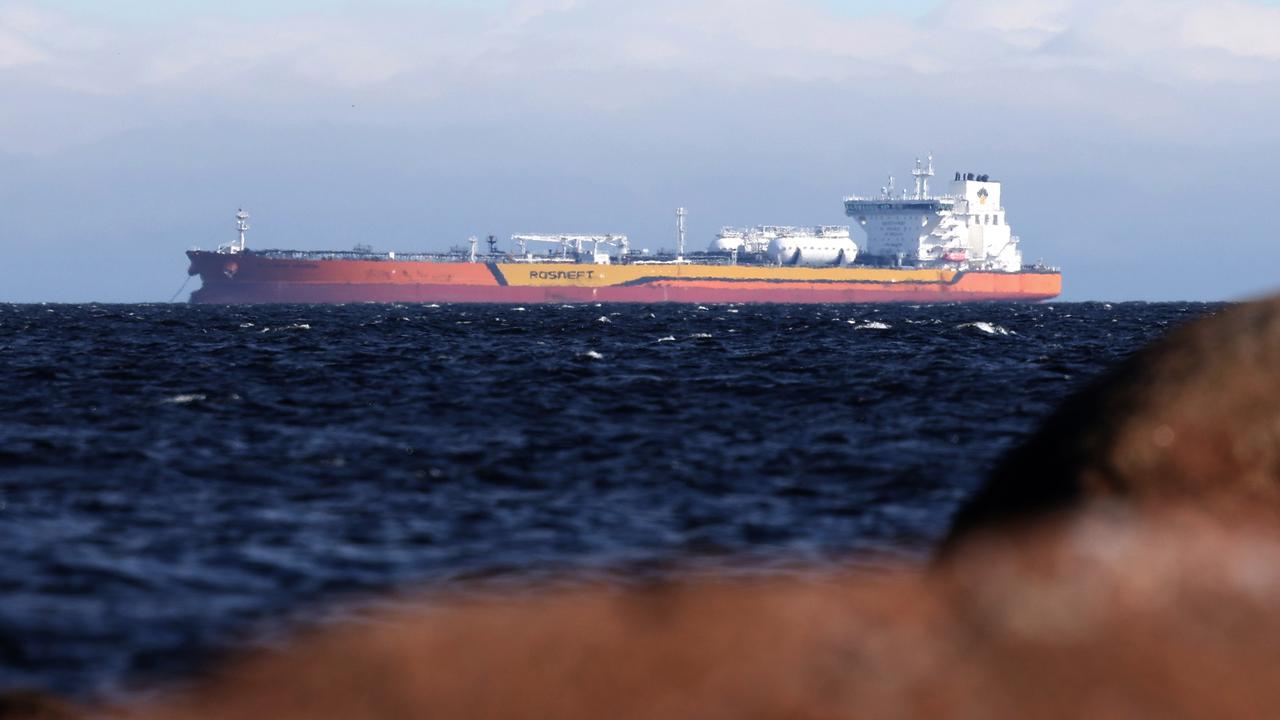
Russia’s Baltic Ust-Luga port, one of its largest petroleum export hubs, has been damaged again by a Ukrainian drone attack which sparked a blaze later brought under control.
It followed several Ukrainian drone strikes last week on Russia’s western energy corridor when facilities at the ports of Ust-Luga and Primorsk came under fire, igniting storage tanks and forcing a suspension of oil and oil product loadings.
The regional governor of Leningrad said firefighters had brought the fire at the port and nearby sites under control on Sunday.
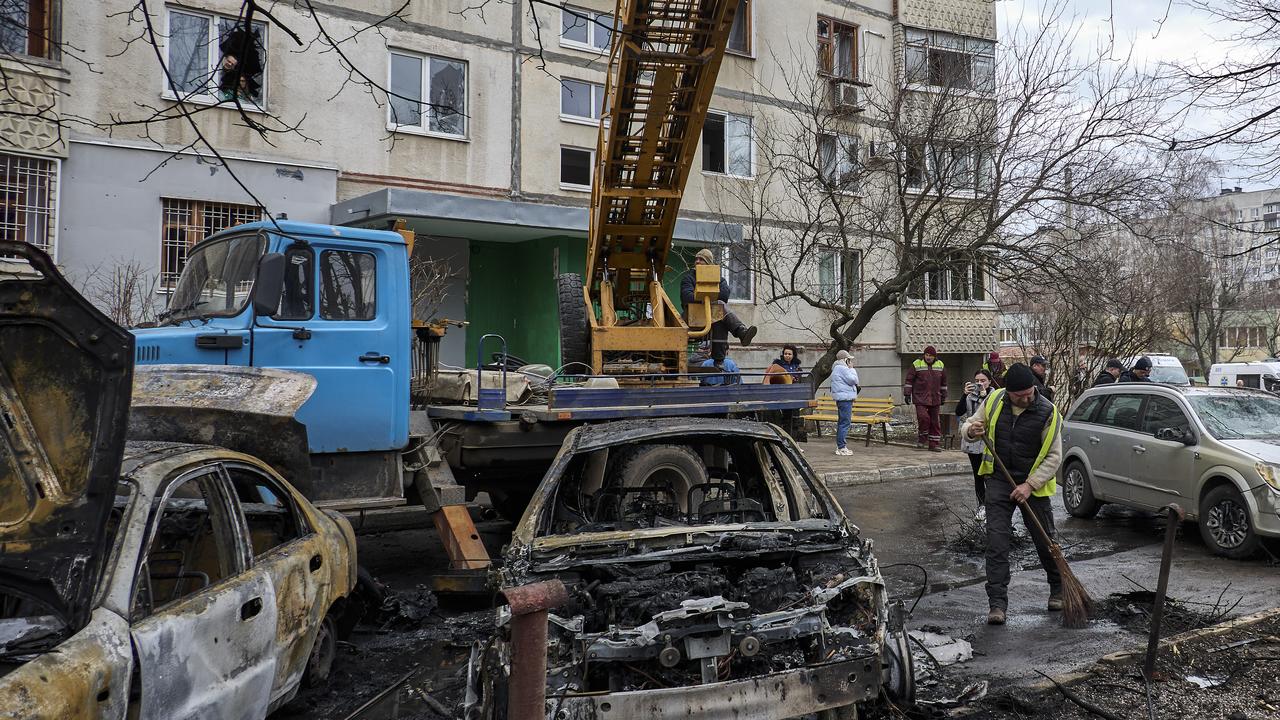
Ukraine’s SBU security agency said long-range drones struck an oil terminal at Ust-Luga.
It added in a statement that the strike caused “serious damage” and a fire at the port.
The recent attacks have caused severe oil supply disruption for Russia, the world’s second-largest oil exporter, and have come just as oil prices exceeded $US100 ($A145) a barrel due to the Iran war.
“Additional firefighting resources from the Leningrad region and St Petersburg, including two fire trains, have been involved in extinguishing the fire at the port,” Regional Governor Alexander Drozdenko wrote on Telegram on Sunday.
A residence had been damaged in a nearby settlement, he said.
Drozdenko had earlier in the day said waves of Ukrainian drones had hit the area.
The port, operated by Russian oil pipeline monopoly Transneft, handles around 700,000 barrels per day of oil exports, and, according to sources, shipped 32.9 million metric tons of oil products in 2025.
Reuters was unable to immediately verify the scale of the damage.
Meanwhile, a Russian strike on the eastern Ukrainian city of Kramatorsk killed three people and injured 13 on Sunday, police said.
Ukraine’s national police said a boy of 13 was among the dead.
A statement said Russian forces used glide bombs in the strike on Kramatorsk.
Ukrainian President Volodymyr Zelenskiy is seeking support from Gulf states for Ukraine’s war against Russia as western military aid faces fresh uncertainty and Kyiv struggles to cover its budget deficit and fund domestic weapons production.
Kyiv has offered its air-defence expertise and drone technology to countries seeking to counter Iran’s drone attacks.
“From our own experience, we know that without a unified system, it is simply impossible to set up full-fledged protection of people and critical infrastructure,” Zelenskiy wrote.