
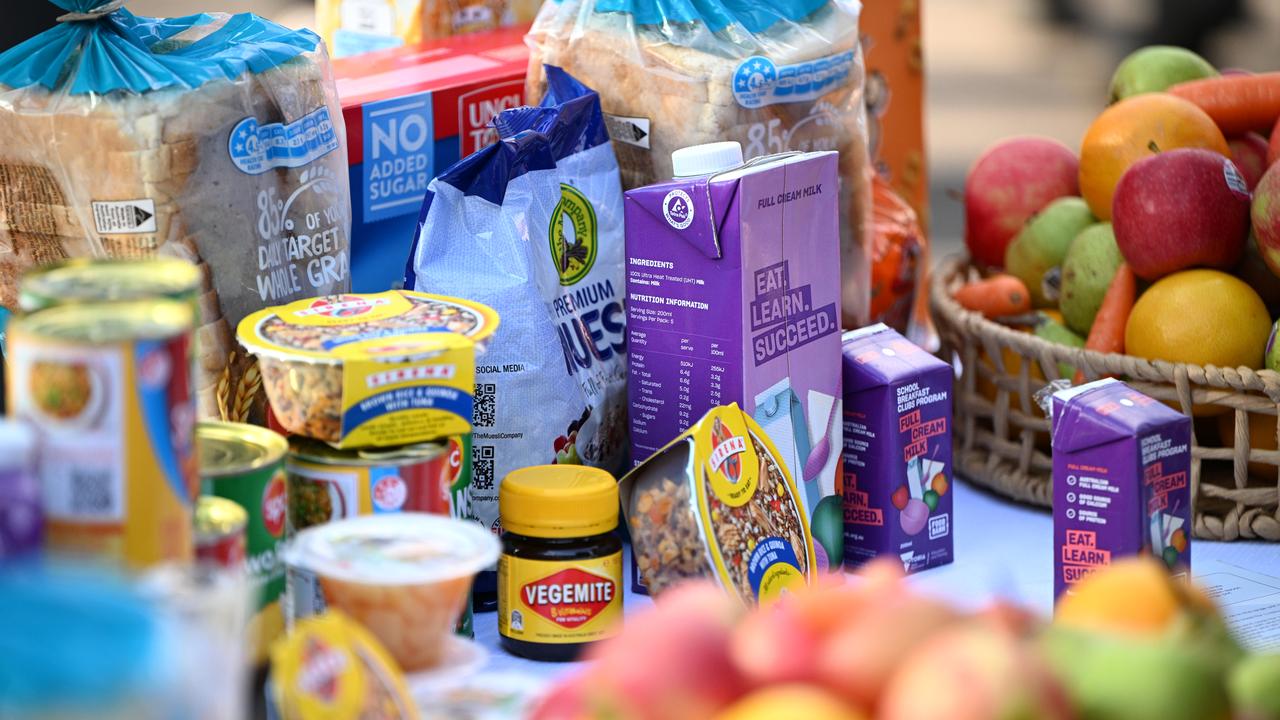
Shoppers are being warned to brace for inevitable price hikes with supply chains facing major oil disruptions as the conflict in Iran drags on.
It was no longer a question of if, but when, higher costs will flow through to consumers, supply chain management and logistics expert Elizabeth Jackson said.
“Every kilojoule of food that comes from an Australian farm is moved by a diesel-powered vehicle,” Dr Jackson told AAP.
“Even the most basic of foods – fresh fruit and vegetables that don’t go through any sort of processing – right through to the most processed exported foods, are dependent upon transport systems.
“They are also dependent upon diesel for their manufacture in terms of mechanisation that goes into food production, like tractors.”
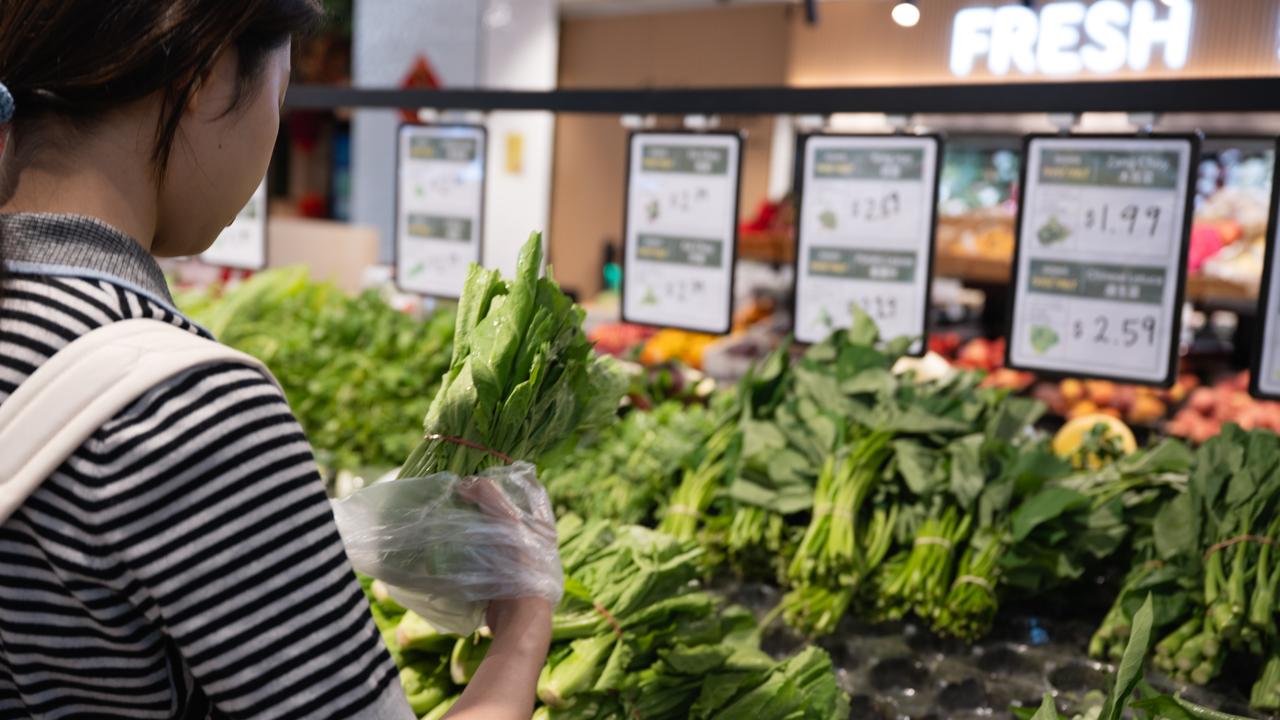
Price rises are likely to begin with fresh produce because of its short supply chains and constant need for transport.
Increases were possible within two to three weeks with a “slow burn” most likely rather than one sudden spike.
“The fresher the produce, the quicker we’re going to see the prices increase,” Dr Jackson said.
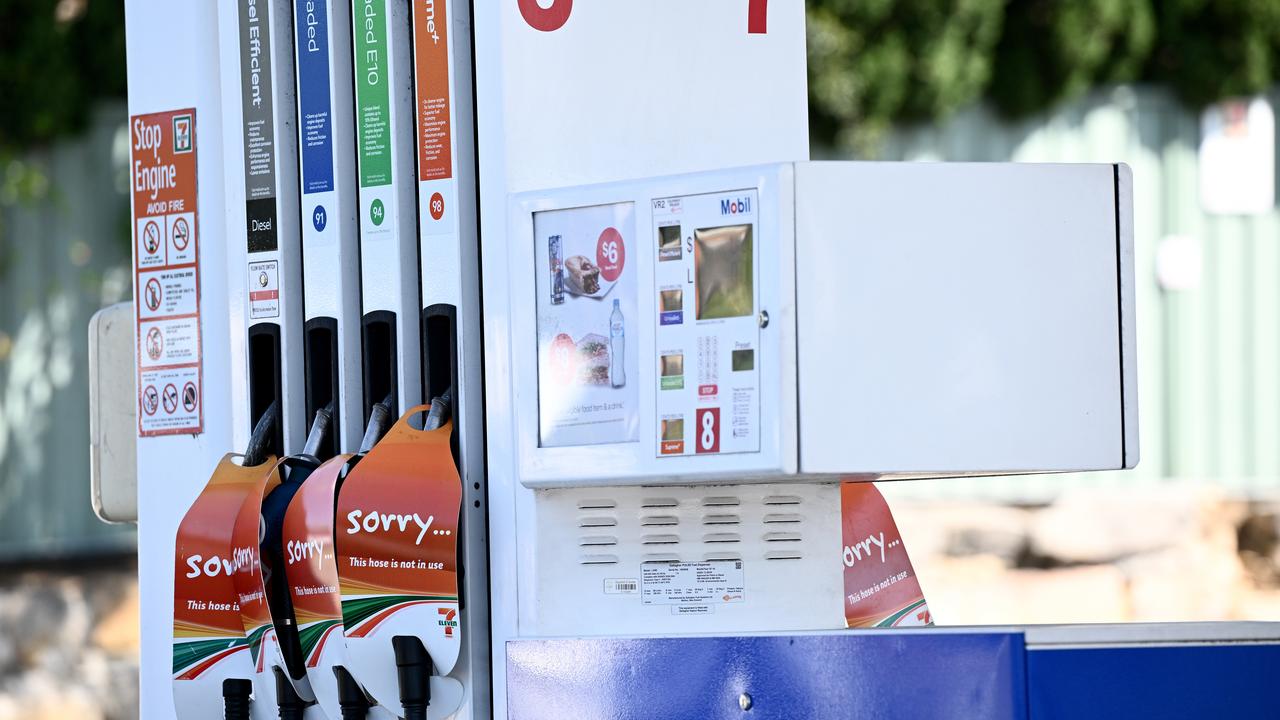
At least 107 petrol stations in NSW have run out of diesel, while more than 40 have reported not having any fuel at all.
Dr Jackson said the situation underscored the need for stronger fuel resilience in Australia, including greater investment in alternative energy sources such as biofuels, rather than continued reliance on fossil fuels.
In the short term, she said governments were limited in how much they could intervene beyond managing supply.
Coles said it would review how much it was paying companies transporting food and groceries to its stores more frequently.
The supermarket giant did not say whether this would lead to an increase in prices for shoppers.
“We will be temporarily increasing the frequency that we review the fuel component of our freight rates from monthly to twice per month – so that changing fuel costs are reflected more quickly and fairly,” a Coles spokesperson said.
“In the current climate, this means transport providers will be able to recoup more of the rising fuel costs.”
Commonwealth, state and territory leaders will meet next week for another national cabinet meeting on the shortages.