
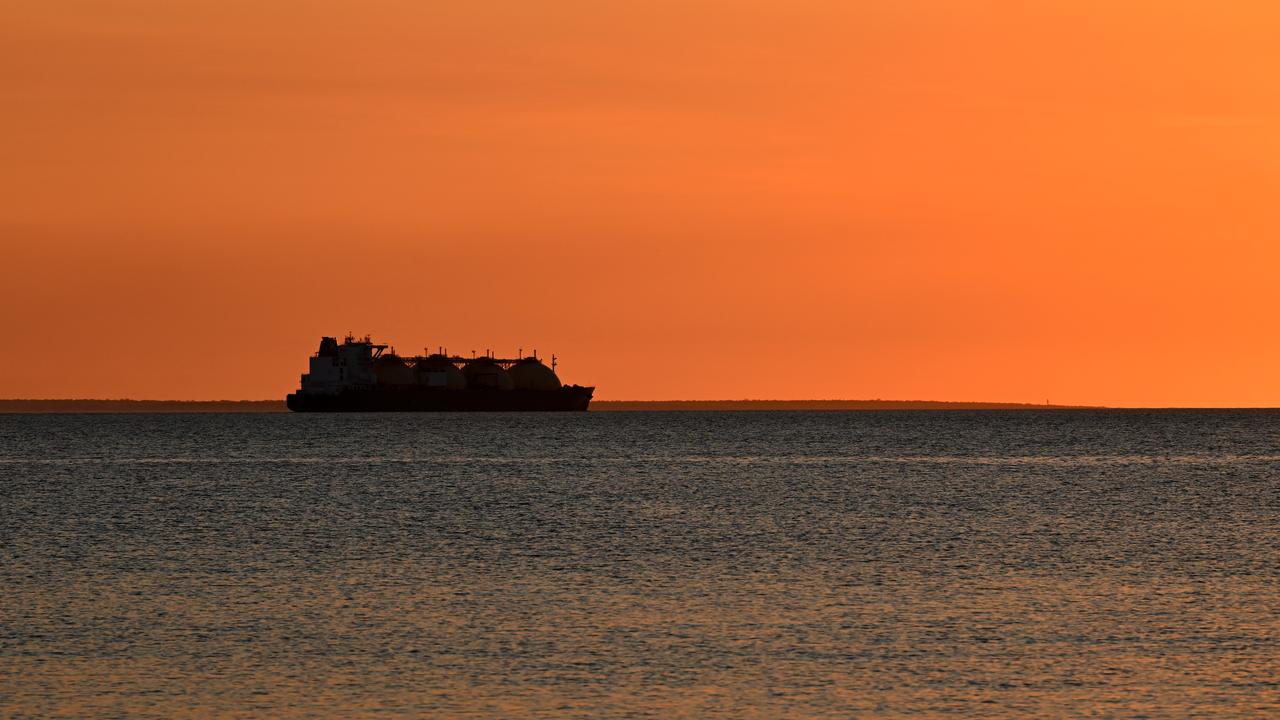
The first shipment of liquefied natural gas from the Barossa project is on its way to Japan, with energy company Santos calling it an outstanding achievement for a project of such scale and complexity.
In an ASX announcement on Tuesday, Santos chief executive officer Kevin Gallagher said the cargo left Darwin on the Kool Blizzard on Sunday bound for Japan’s Sakai terminal.
The Barossa gas field, about 300 kilometres north of Darwin, has faced a series of delays.
Santos is the operator and has a 50 per cent interest in the gas project with joint venture partners PRISM Energy International Australia (37.5 per cent) and JERA Australia (12.5 per cent).
Mr Gallagher said it was a major milestone for Barossa LNG, with Santos delivering the project within about six months of the planned start date and within the original budget, without drawing on additional contingency.
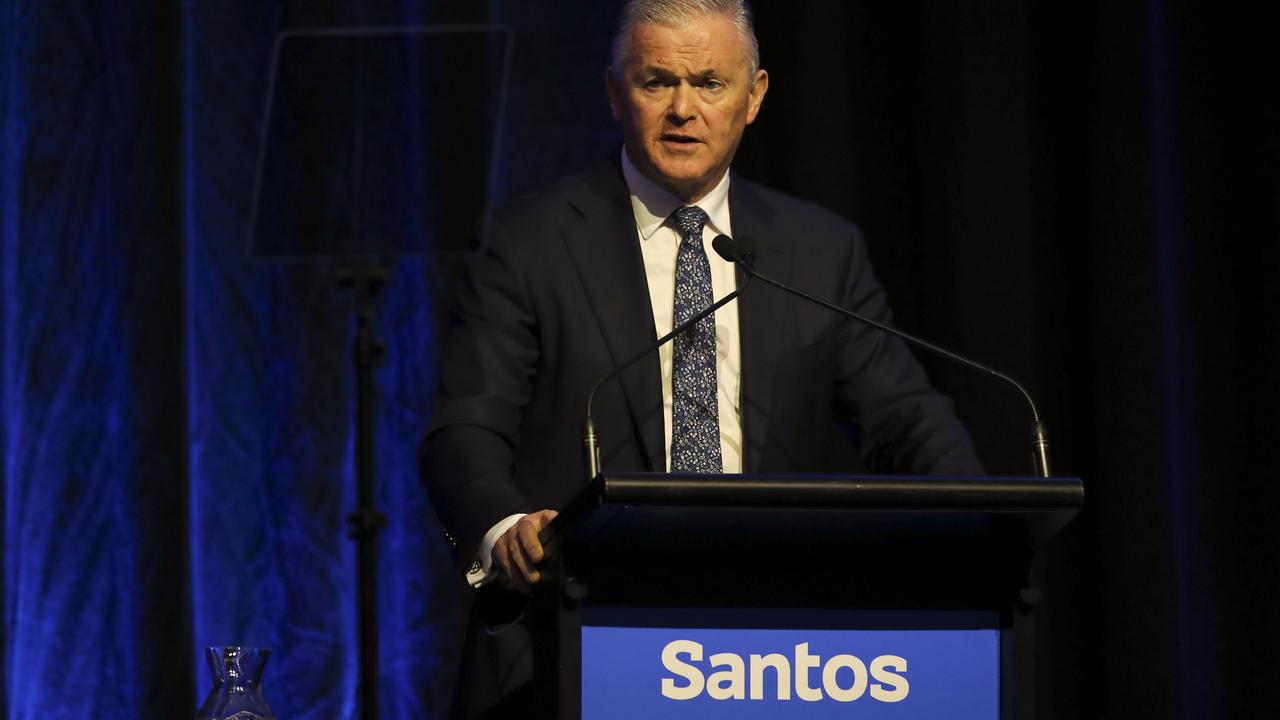
“This is an outstanding achievement for a project of this scale and complexity in the global offshore upstream sector.
“It demonstrates Santos’ self-execution capability in delivering major development projects and the success of our disciplined, low-cost operating model.”
Mr Gallagher said he was proud of the way Santos navigated through the COVID-19 pandemic, regulatory approvals, legal challenges and supply chain disruptions during the construction phase.
In early 2024 Santos won a federal court challenge lodged by Tiwi Islands elders over its Barossa plans, allowing it to resume laying an underwater pipeline for its $6.1 billion project.
The elders had wanted Santos to revise its environment management plan to include potential risks to underwater sacred sites.
Environment groups and energy experts, meanwhile, recently raised concerns about the Darwin facility’s storage tank leaking methane for years.
Barossa LNG will continue to drive a stronger economy for the Northern Territory and Territorians, Mr Gallagher said.
The 2025-26 NT budget papers forecast Gross State Product to rebound by 7.8 per cent for the year, largely driven by Barossa LNG exports, he said.
The project would also secure about 300 permanent jobs in the NT for the next 20 years, with an estimated $A2.5 billion worth of wages and contracts expected to flow for Territorians over that time.
The Barossa Aboriginal Future Fund had been founded to invest in coastal communities, receiving up to $10 million a year from Barossa LNG, Mr Gallagher said.
The fund will promote projects to improve community services, establish pathways to training, jobs and business opportunities, and enable Aboriginal people to maintain cultural practices and care for country.