
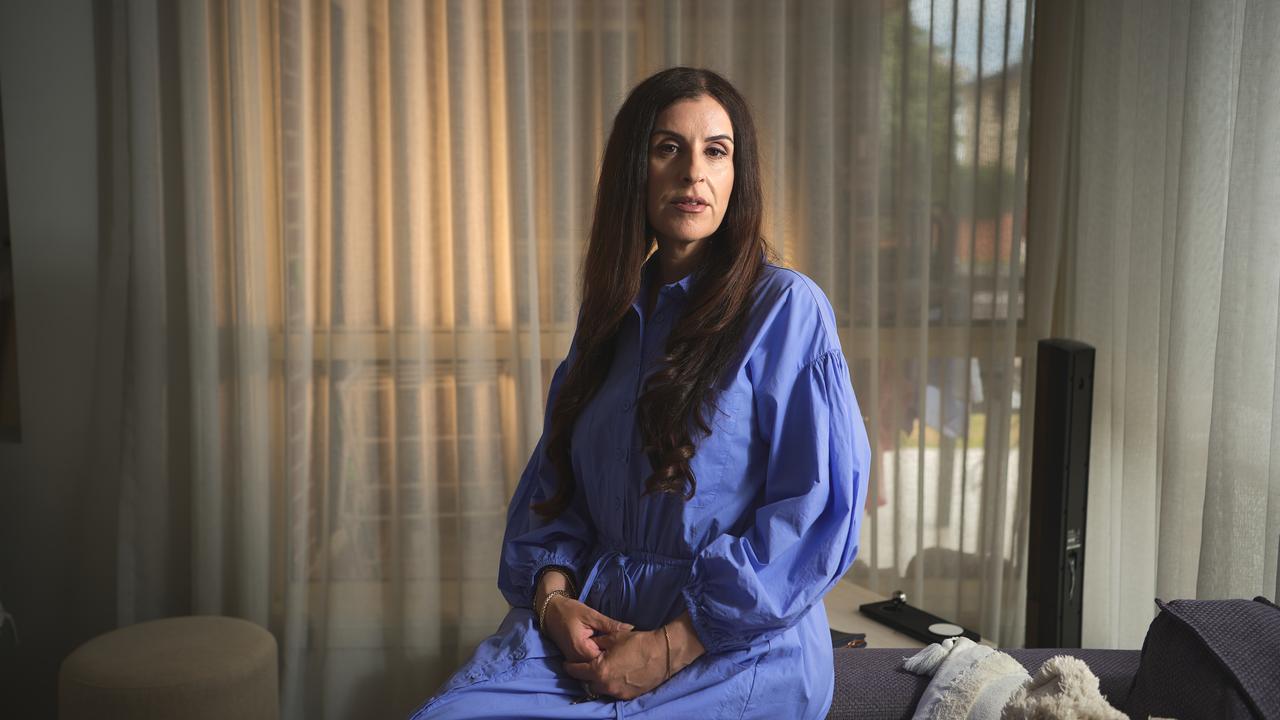
A Palestinian-Australian author controversially removed from a major literary festival has accepted an apology from its new board and will consider returning next year.
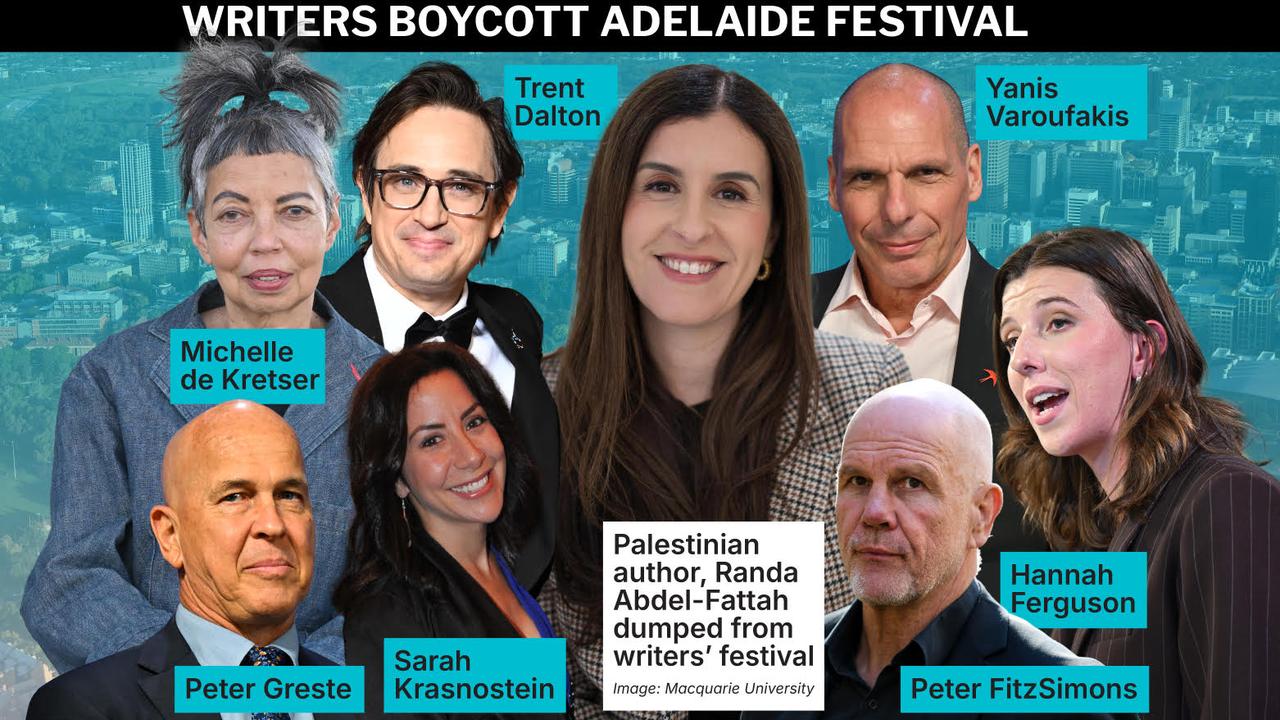
Randa Abdel-Fattah was last week dumped from Adelaide Writers’ Week in a decision that triggered a mass boycott by 180 speakers and the resignation of its renowned director and several board members.
The writers’ week had been due to start in February but was cancelled after its program collapsed, with a new board and chair installed.
The board on Thursday issued an apology to Dr Abdel-Fattah.
The former board had cited “cultural sensitivity” over the Bondi terror attack and made reference to past statements made by the author – a vocal critic of Israel – when it cancelled her appearance.
“We retract that statement. We have reversed the decision and will reinstate Dr Abdel-Fattah’s invitation to speak at the next Adelaide Writers’ Week in 2027,” said the new board led by former festival chair Judy Potter.
“We apologise to Dr Abdel-Fattah unreservedly for the harm the Adelaide Festival Corporation has caused her.
“Intellectual and artistic freedom is a powerful human right. Our goal is to uphold it, and in this instance Adelaide Festival Corporation fell well short.”
The board also apologised to Louise Adler, who quit as the event’s director on Tuesday saying she “cannot be party to silencing writers”.
“We acknowledge the principled stand she took in the extremely difficult decision to resign from her role as director,” the board said of Ms Adler in a separate statement.
The board has rescinded its decision to establish a subcommittee to review writers’ week operational decisions, saying it “commits to the curatorial independence of the Director of Adelaide Writers Week”.
Dr Abdel-Fattah told AAP she would consider accepting the invitation to next year’s festival and would attend in a “heartbeat” if Ms Adler was at the helm again.
“I accept this apology as acknowledgement of our right to speak publicly and truthfully about the atrocities that have been committed against the Palestinian people,” she said in a statement to AAP.
“I accept this apology as a vindication of our collective solidarity and mobilisation against anti-Palestinian racism, bullying and censorship.”
The academic and novelist had faced scrutiny over her social media posts, including one in which she declared Zionists “have no claim or right to cultural safety”.
Her axing was supported by South Australian Premier Peter Malinauskas, who maintains his position on the matter despite criticism of political interference.
“I have a responsibility to call out those who expressly commit themselves to deny other people a voice as (Dr) Abdel-Fattah has done,” he told ABC’s 7.30 program on Wednesday.
Dr Abdel-Fattah has accused him of unleashing a “vicious personal assault” at a press conference that suggested she was an extremist terrorist sympathiser.
She has flagged defamation proceedings against Mr Malinauskas over the comments.
Readers and Writers Against Genocide has started a legal fund for Dr Abdel-Fattah on online social justice fundraising platform Chuffed, which has raised more than $40,000 towards a $100,000 target.
Former New Zealand prime minister Jacinda Ardern, British novelist Zadie Smith and popular Australian author Trent Dalton were among those who pulled out of Writers’ Week in solidarity with the academic.
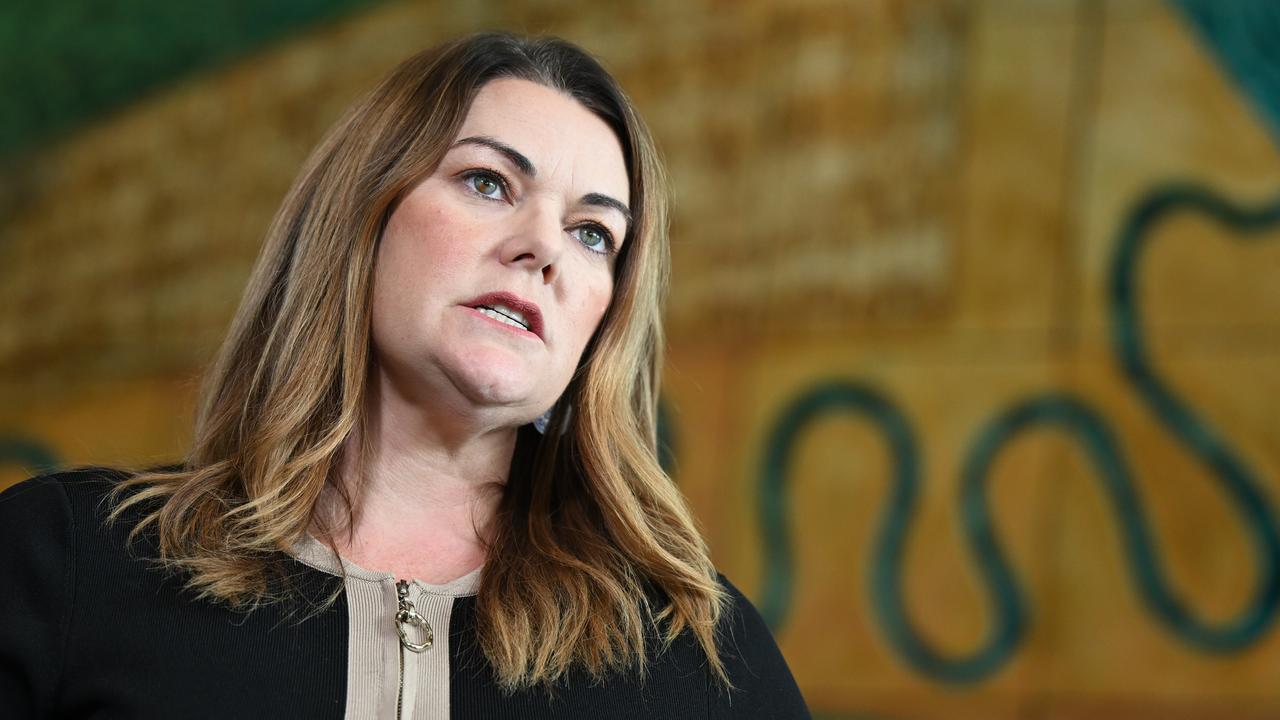
On Thursday, Greens senator Sarah Hanson-Young said Mr Malinauskas must apologise to Dr Abdel-Fattah, Ms Adler and the people of South Australia.
“It’s now time to admit his mistake and help reassure the state’s artist community that in the future he will have their backs.
“This whole incident has done enormous damage to our state and artistic freedom more broadly. Indeed, Australia’s international arts reputation has been hurt.”