
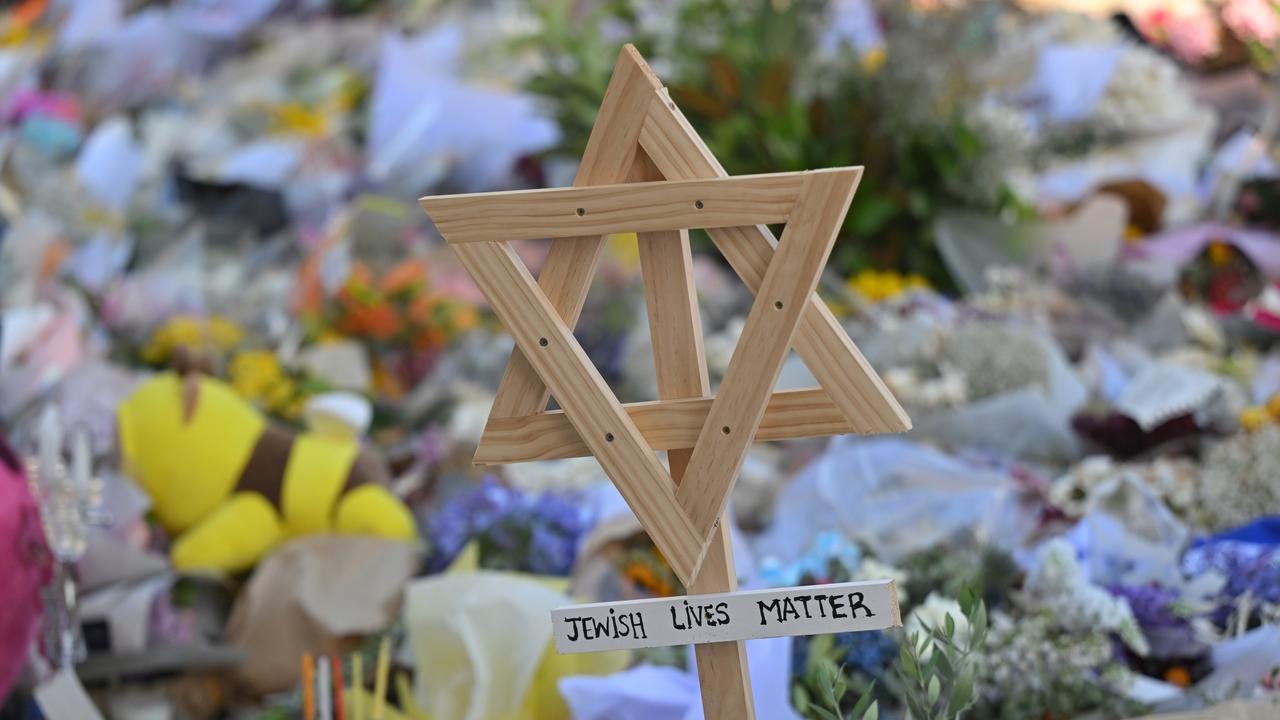
Religious leaders are raising concerns over definitions under draft hate speech reforms, which they say might open people up to prosecution over past remarks.
Hate speech laws will be debated on Monday when parliament returns early following the December 14 massacre at Bondi Beach.
Under the changes, hate speech and racial vilification offences would be introduced with a defence included for people quoting directly from a religious text.
The bill “sets a principle-based test for conduct and speech that incites racial hatred towards another person or group”, Prime Minister Anthony Albanese said.
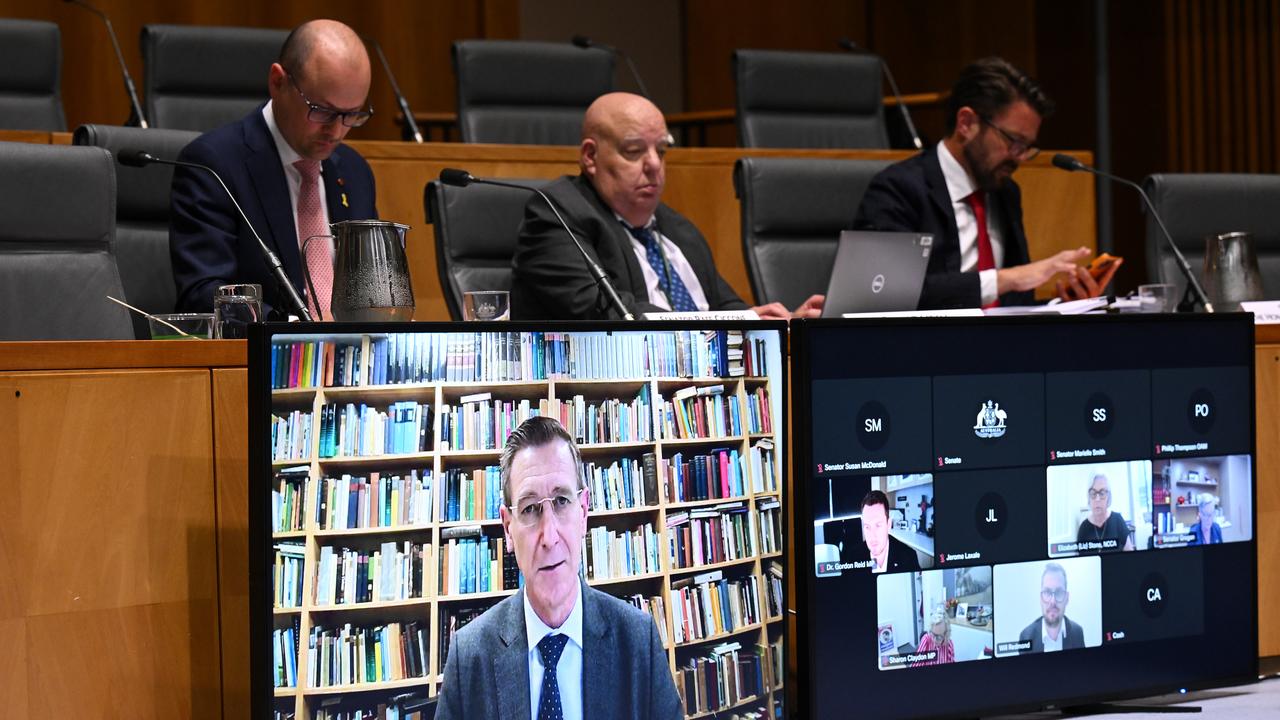
Anglican Bishop Michael Stead said the reform created a “minefield of definitions” about hate and that the bill included a retrospective element in relation to banned groups.
“I’ve got particular concerns about the definition of what is a hate crime,” he told a parliamentary inquiry on Wednesday.
Dr Stead said the bill could be expanded to claim Christian teaching caused serious harm, leading to a Christian organisation being listed as a hate group.
“Defining something which is not a hate crime to be a hate crime, just so that we can list the group, seems to me entirely inappropriate,” he said.
The Anglican bishop said the bill placed an “unwarranted limitation” on freedom of thought, conscience and belief.
He called for its debate to be delayed so it could be properly scrutinised.
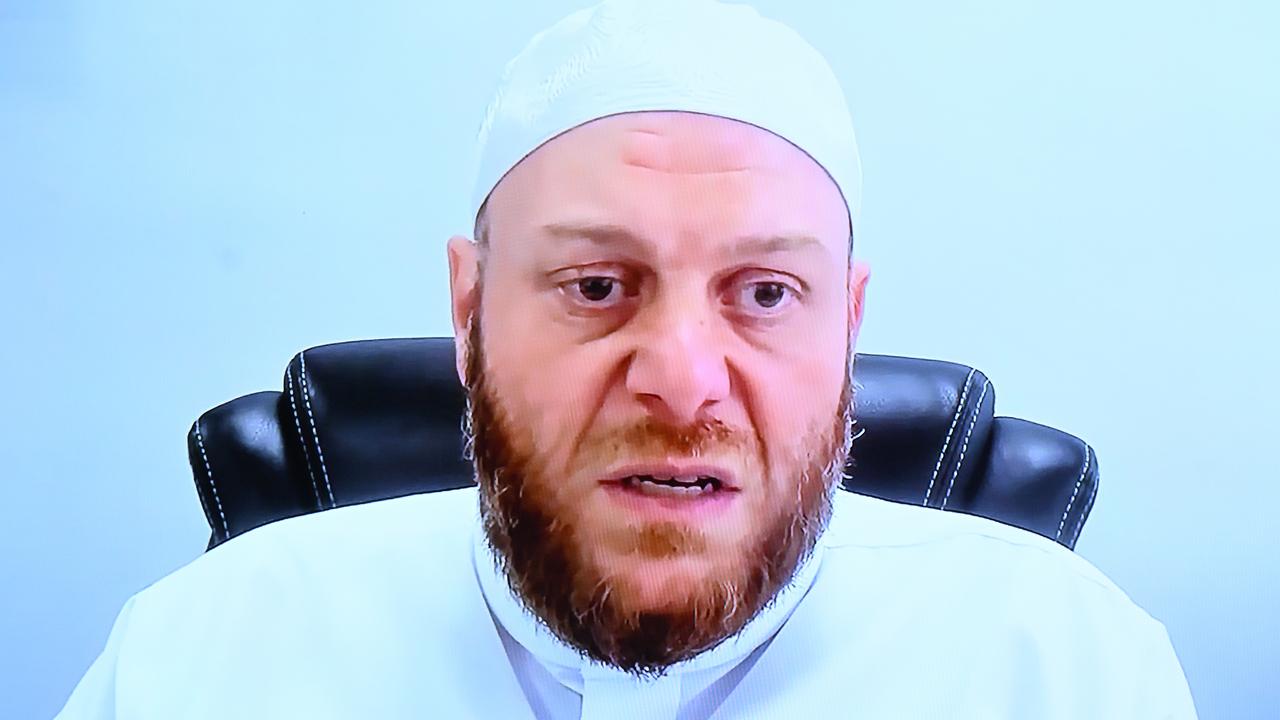
Australian National Imams Council President Sheikh Shadi Alsuleiman said the bill created “serious legal uncertainty” by exposing past lawful speech to new penalties.
“This contradicts fundamental principles of the legality and places religious leaders whose sermons are often public (and) recorded under ongoing retrospective risk,” he said.
“Taking together, these features disproportionately burdens the Australian Muslim community.”
Sheikh Alsuleiman also said the reform needed to be delayed by at least a month because a time frame of one week to consider all the implications was unreasonable.
“Such a bill is rushed and needs to be scrutinised and given more time for consultation and to get this right,” he said.
Liberal MP Andrew Hastie announced his decision to vote against the reform, which he said was an “attack on our basic democratic freedoms”, as well as freedom of religion and conscience.
“Those three freedoms are fundamental to any democratic society,” he said in a video posted to Instagram.
“They’re hard won, and they’ve served Australians well for more than 100 years. This bill will reduce them, and that’s why I’m voting no.”
Mr Hastie also accused Mr Albanese of “showing absolute contempt for normal parliamentary process” with the bill’s size.
The prime minister announced a royal commission would be set up after weeks of mounting pressure from the coalition, Jewish groups, business leaders and sporting stars.
A report on the hate speech reforms is due on Friday before debate next week.
Lifeline 13 11 14
beyondblue 1300 22 4636