
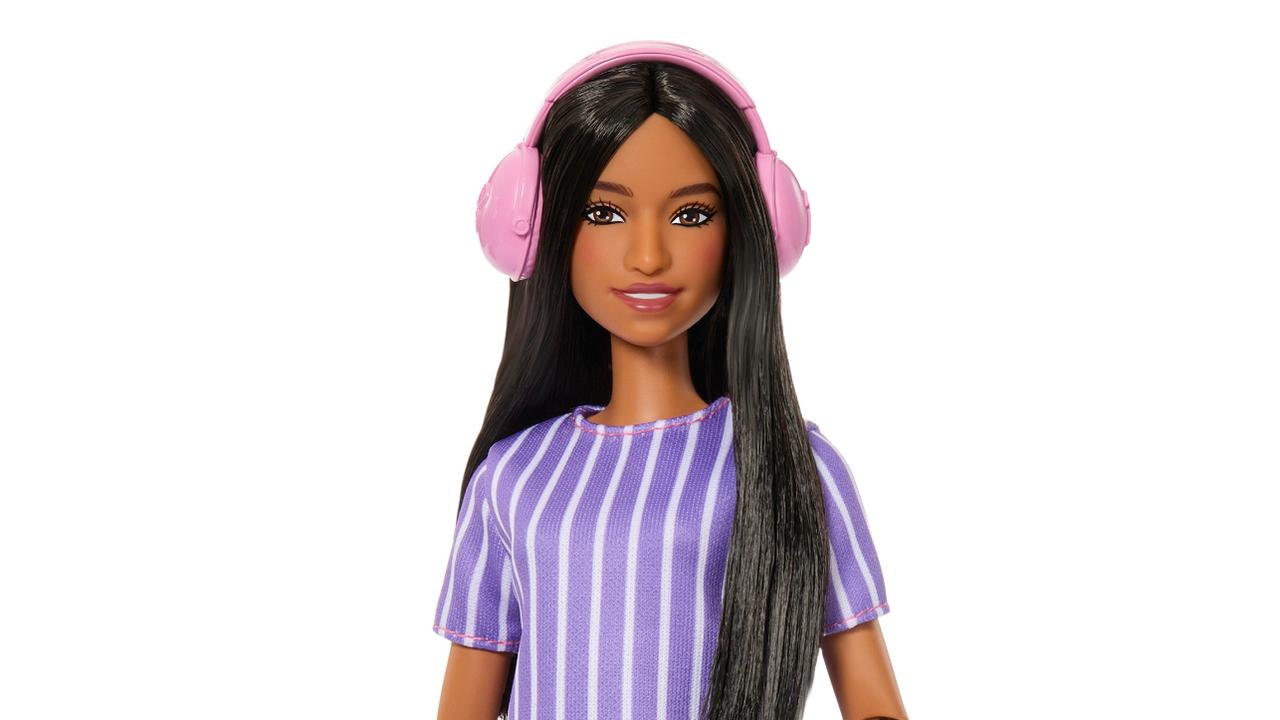
Mattel Inc. is introducing an autistic Barbie as the newest member of its line intended to celebrate diversity, joining a collection that already includes Barbies with Down syndrome, a blind Barbie and a Barbie and a Ken with vitiligo.
Mattel said it developed the autistic doll across more than 18 months in partnership with the Autistic Self Advocacy Network, a non-profit organisation that advocates for the rights and better media representation of people with autism.
The goal: to create a Barbie that reflected some of the ways autistic people might experience and process the world around them, Mattel said in a statement.
That was a challenge because autism encompasses a broad range of behaviours and difficulties that vary widely in degree, and many of the traits associated with the disorder are not immediately visible, according to Noor Pervez, who is the Autistic Self Advocacy Network’s community engagement manager and worked closely with Mattel on the Barbie prototype.
Like many disabilities, “autism doesn’t look any one way”, Pervez said.
“But we can try and show some of the ways that autism expresses itself.”
For example, the eyes of the new Barbie shift slightly to the side to represent how some people with autism sometimes avoid direct eye contact, he said.
The doll was also given articulated elbows and wrists to acknowledge stimming, hand flapping and other gestures that some autistic people use to process sensory information or express excitement, according to Mattel.
Each doll comes with a pink finger clip fidget spinner, noise-cancelling headphones and a pink tablet modelled after the devices some autistic people who struggle to speak use to communicate.
The addition of the autistic doll to the Barbie Fashionistas line also became an occasion for Mattel to create a doll with facial features inspired by the company’s employees in India and mood boards reflecting a range of women with Indian backgrounds.
Pervez said it was important to have the doll represent a segment of the autistic community that was generally underrepresented.
Mattel introduced its first doll with Down syndrome in 2023 and brought out a Barbie representing a person with Type 1 diabetes in 2025.
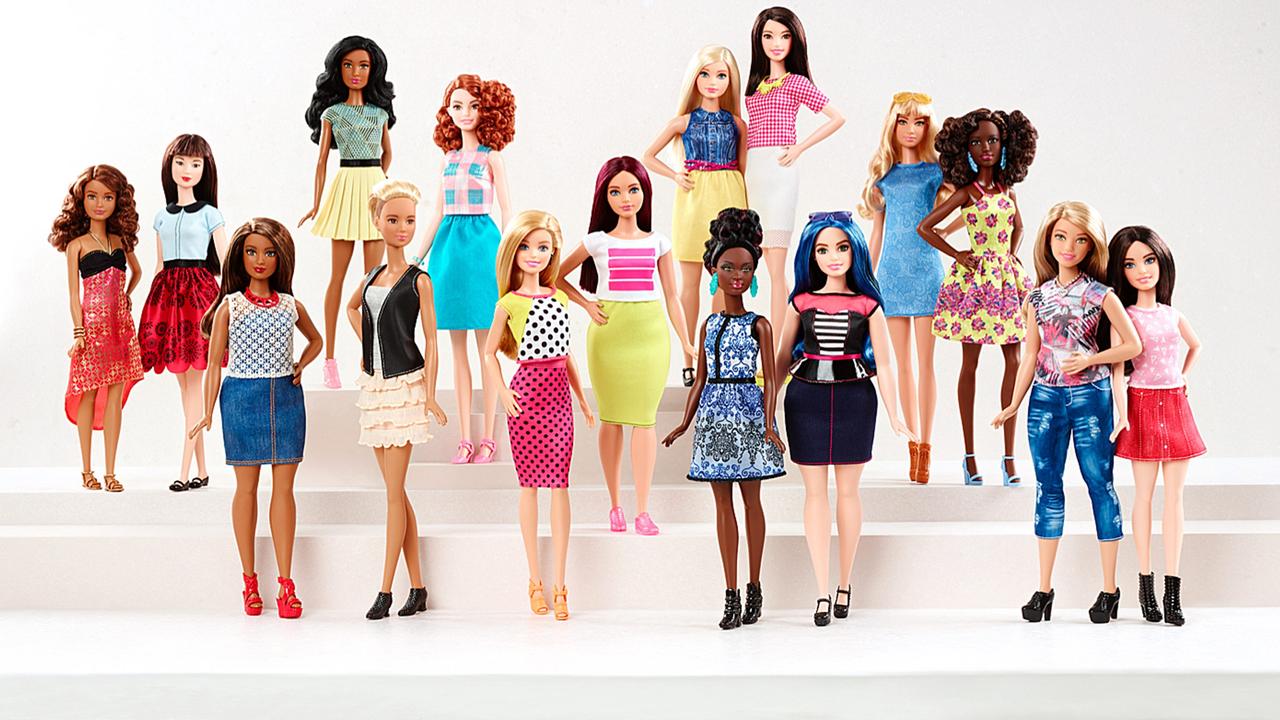
The Fashionistas include a Barbie and a Ken with a prosthetic leg, and a Barbie with hearing aids, but the line also encompasses tall, petite and curvy body types and numerous hair types and skin colours.
“Barbie has always strived to reflect the world kids see and the possibilities they imagine, and we’re proud to introduce our first autistic Barbie as part of that ongoing work,” Jamie Cygielman, Mattel’s global head of dolls, said in a statement.
The Centers for Disease Control and Prevention reported the estimated prevalence of autism among eight-year-old children in the US in 2025 was one in 31.
The estimate from its Autism and Developmental Disabilities Monitoring Network said Black, Hispanic, Asian and Pacific Islander children in the US were more likely than white children to have a diagnosis.