
Ford will take a $US19.5 billion ($A29.3 billion) writedown and is killing several electric-vehicle models, in the most dramatic example yet of the auto industry’s retreat from battery-powered models in response to the Trump administration’s policies and weakening EV demand.
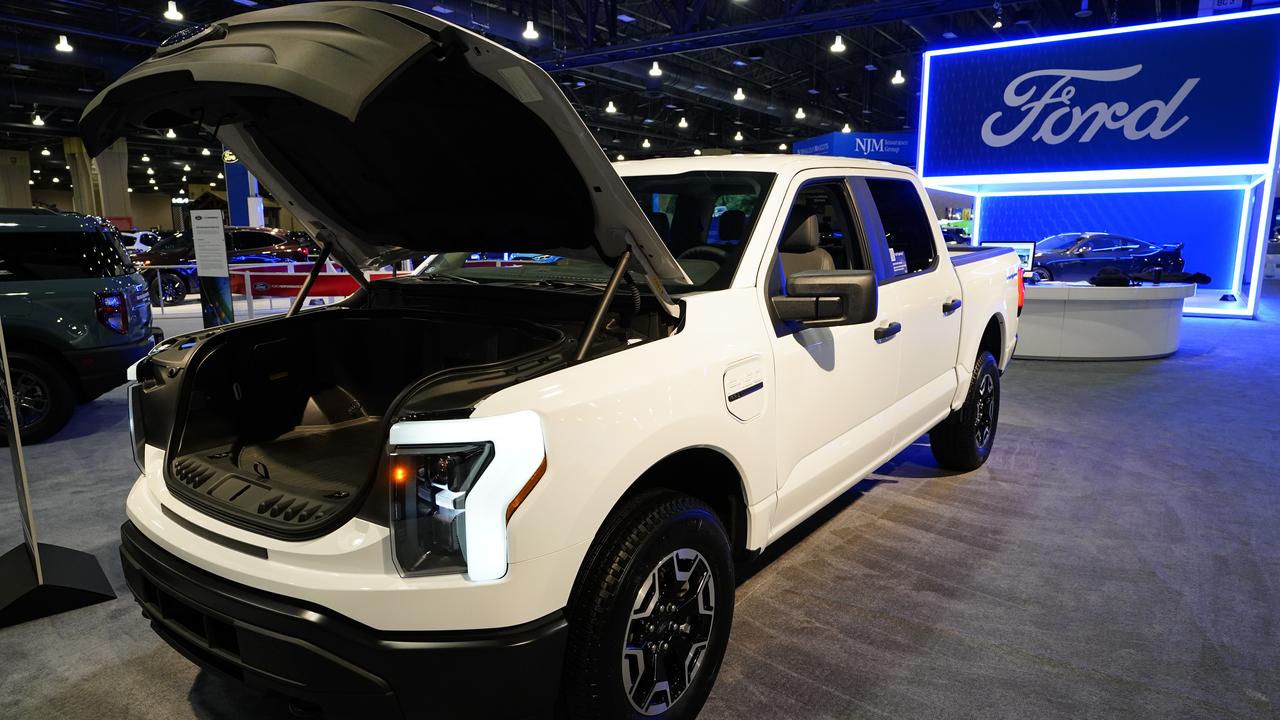
The Dearborn, Michigan-based company said it will replace the fully electric F-150 Lightning with a new extended-range electric model that uses a gas-powered engine to recharge the battery.
The company is also scrapping a next-generation electric truck, codenamed the T3, as well as planned electric commercial vans.
“When the market really changed over the last couple of months, that was really the impetus for us to make the call,” Ford CEO Jim Farley told Reuters.
Ford said it will pivot hard into gas and hybrid models, and eventually hire thousands of workers, even though there will be some layoffs at a jointly owned Kentucky battery plant in the near term.
The company expects its global mix of hybrids, extended-range EVs and pure EVs to reach 50 per cent by 2030, from 17 per cent today.
The car company will spread out the writedown, taken primarily in the fourth quarter and continuing through next year and into 2027, the company said.
About $US8.5 billion is related to cancelling planned EV models. Around $US6 billion is tied to the dissolution of a battery joint venture with South Korea’s SK On, and $US5 billion on what Ford called “program-related expenses.”
The US automaker also raised its 2025 guidance for adjusted earnings before interest and taxes, to about $US7 billion, up from a previous range of $US6 billion to $US6.5 billion.
Ford’s shift reflects the auto industry’s response to waning demand for battery-powered models, after car companies ploughed hundreds of billions of dollars into EV investments early this decade.
The outlook for electrics dimmed significantly this year as US President Donald Trump’s policies yanked federal support for EVs and eased tailpipe-emissions rules, which could encourage carmakers to sell more gas-powered cars.
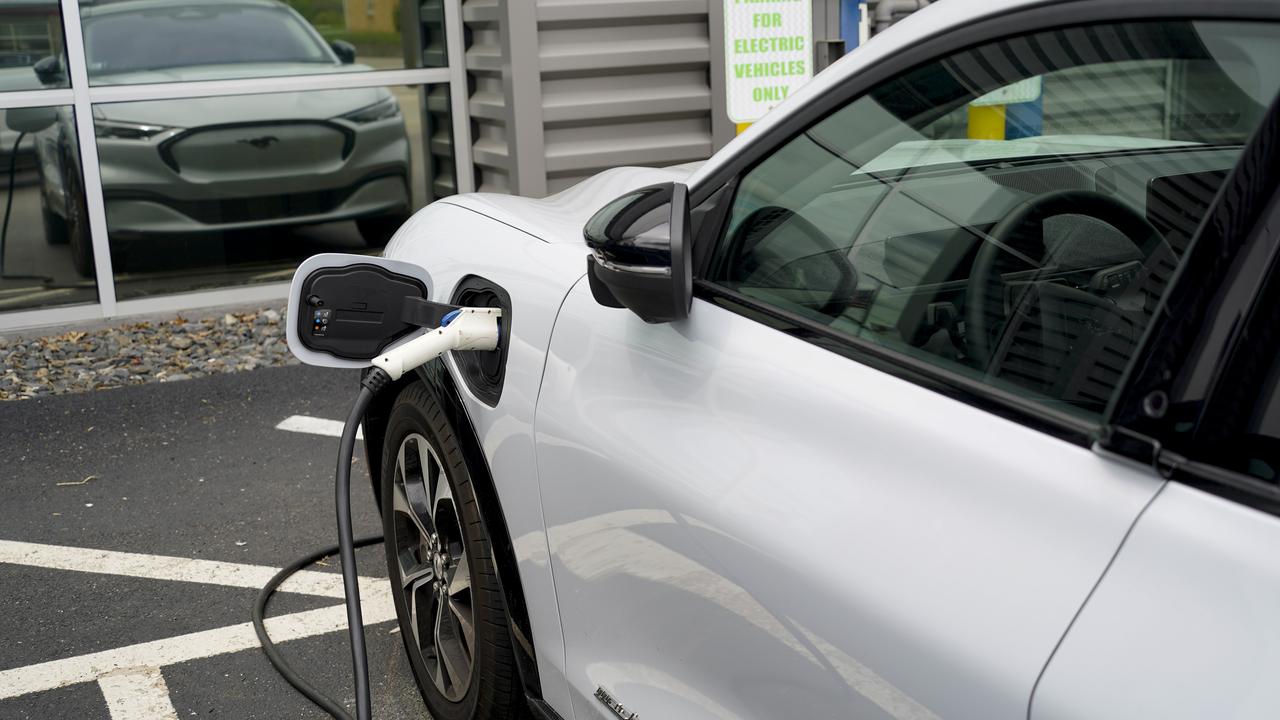
US sales of electric vehicles fell about 40 per cent in November, following the September 30 expiration of a $US7,500 consumer tax credit, which had been in place for more than 15 years to stoke demand.
The Trump administration also included in the massive tax and spending bill that passed in July a freeze on fines that automakers pay for violating fuel-economy regulations.
For its future EV line-up, the company is shifting focus to more affordable EV models, conceived by a so-called skunkworks team in California.
Ford plans to price the first model from that team at about $US30,000 and begin sales in 2027.
“Rather than spending billions more on large EVs that now have no path to profitability, we are allocating that money into higher-returning areas,” said Andrew Frick, head of Ford’s gas and electric-vehicle operations.
Earlier this year, Ford said it expected to lose roughly $US5 billion on its EV business this year, about the same as it lost in 2024.